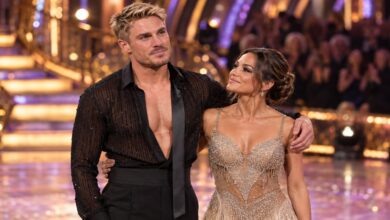
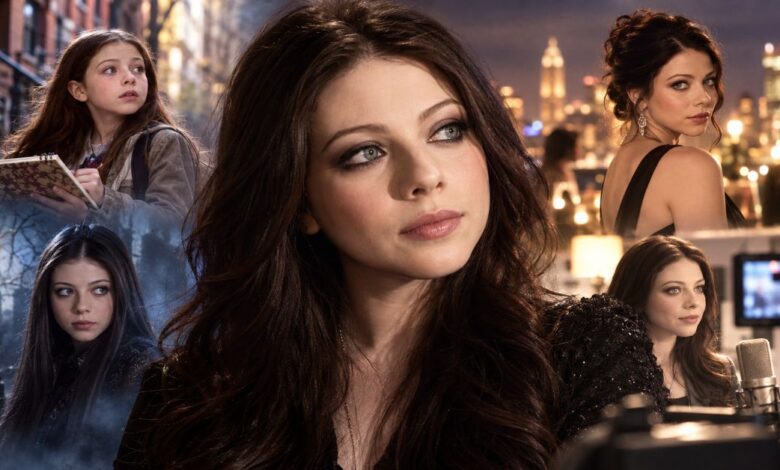
Michelle Trachtenberg was far more than a child actor who later appeared in Buffy the Vampire Slayer and Gossip Girl. The sharper way to understand her career is as a series of controlled reinventions: a child lead who played an investigator, a teen actor placed at the emotional center of a cult supernatural drama, an adult performer who could enter a hit series and instantly destabilize it, and later a host and executive producer working beyond conventional acting jobs.
That broader frame matters because the most common career summaries compress her into three names—Harriet Welsch, Dawn Summers, and Georgina Sparks. Those roles deserve their fame, but the pattern between them is more interesting than the list itself. Trachtenberg repeatedly played young women who watched closely, knew more than other people expected, challenged the social order around them, or forced established characters to react.
Her career also crossed unusually different audience lanes. She moved from Nickelodeon to a studio family film, from network and genre television to an explicit teen comedy, from Disney sports drama to difficult independent cinema, from medical drama to digital animation, and eventually into hosting and executive production. That range makes the “former child star” label technically true but editorially weak.
This reassessment follows those transitions, separates verified facts from posthumous speculation, and focuses on what her choices reveal about the kind of performer—and later producer—she became.
The Career in One View
A compact timeline helps show how early the major transitions happened.
| Milestone | Verified detail | Why it matters |
| Born | October 11, 1985, New York City | Her professional career began while she was still a child. |
| Early television | The Adventures of Pete & Pete; All My Children; Meego | She learned television rhythm before becoming a film lead. |
| Breakthrough film | Harriet the Spy (1996) | A child performer carried a major studio adaptation as the title character. |
| Genre breakthrough | Buffy the Vampire Slayer (2000–2003) | Dawn Summers placed her inside a mature, serialized mythology. |
| Adult pop-culture role | Gossip Girl (2008–2012; returned in 2022) | Georgina Sparks showed her strength as a recurring disruptor. |
| Behind the camera | Executive producer on Guidance and Meet, Marry, Murder | Her later work extended beyond being cast in other people’s projects. |
| Died | February 26, 2025, age 39 | The official cause was later amended after laboratory review. |
The Child-Star Label Misses the Most Important Early Pattern
Trachtenberg began appearing in commercials at a very young age, then built a television résumé before her first major movie. That sequence matters. She did not arrive in Harriet the Spy as an unknown child suddenly placed at the center of a film; she had already learned how to work inside recurring television roles.
The Adventures of Pete & Pete gave her a particularly useful starting point. The show’s surreal, offbeat tone was different from a conventional family sitcom, and Nona Mecklenberg was not written as a blankly sweet child character. That early exposure to eccentric material fits the rest of Trachtenberg’s career better than a simple “child star” origin story does.
Meego is easier to forget, but it matters for the same reason. The short-lived science-fiction sitcom gave her another regular television role and brought an early Young Artist Award. By the time Harriet made her widely recognizable, she already had experience moving between tones, formats, and production environments.
Why Harriet the Spy Was More Than a Breakthrough
Harriet Welsch established the first durable version of Trachtenberg’s screen persona: observant, verbal, stubborn, curious, and willing to cross boundaries in pursuit of what she believed was true. The film was not simply a launchpad. It created a template she would repeatedly complicate later.
Harriet is an investigator. Penny in Inspector Gadget is the young person who often understands the problem faster than the adults. Casey Carlyle in Ice Princess approaches skating through physics and analysis. None of those roles are identical, but they share a useful through-line: competence is part of the character’s identity.
Dawn Summers: A Role Built to Divide the Audience
When Trachtenberg joined Buffy the Vampire Slayer in its fifth season, she entered one of the hardest situations a young actor can inherit: a deeply established ensemble with a fan base that already understood the show’s relationships. Dawn Summers initially appeared to be Buffy’s younger sister, but the season later revealed that she was the mystical Key transformed into human form.
That twist made Dawn more than a sibling addition. She was simultaneously a family member, a supernatural plot device, a source of conflict, and eventually a character forced to live with the knowledge that her memories and identity had been constructed.
The role also required Trachtenberg to play emotions that can make a character unpopular: jealousy, panic, neediness, grief, and adolescent resentment. Treating that audience irritation as proof of weak acting misses the dramatic function. Dawn was not designed to arrive polished. She was designed to unsettle a stable world and then grow inside it.
The Emotional Work Was as Important as the Mythology
Dawn’s strongest scenes are not only about the Key mythology. They are about family dependence and loss. Her presence changes Buffy’s responsibilities, and later seasons ask Dawn to become more capable without pretending she has suddenly stopped being young. That gave Trachtenberg a long developmental arc rather than a single-season gimmick.
The role also connected her to a genre audience that followed her into later horror and supernatural projects. Black Christmas, The Scribbler, and other darker work make more sense when Buffy is viewed not as an isolated hit but as the point where she proved she could operate inside genre storytelling.
The Mid-2000s Were a Deliberate Break From One Screen Identity
After Buffy, Trachtenberg did not spend the next phase of her career protecting a single marketable image. She moved across projects that were almost designed to resist easy branding.
EuroTrip placed her inside a broad, adult-leaning teen comedy that later developed a strong cult following. Mysterious Skin moved in the opposite direction: difficult independent drama with much darker material. Ice Princess returned her to a family audience, but with a lead character defined by intellectual ambition and technical problem-solving. Black Christmas pushed her back toward horror.
That mixture is easy to dismiss as normal actor variety. It was more consequential for someone who had been publicly identified first as a child performer. The safest path would have been to repeat family-friendly roles until the audience aged away. Her choices instead made the transition visible.
Ice Princess Deserves More Weight in the Career Story
Casey Carlyle is often remembered as a Disney-era sports heroine, but the character fits a recurring Trachtenberg pattern: a young woman trying to build expertise while resisting the future other people have already planned for her. Casey’s use of physics to understand skating gives the movie a specific intellectual hook rather than a generic “follow your dream” premise.
Placed beside Harriet and Penny, Casey makes the pattern harder to ignore. Trachtenberg was repeatedly cast as girls whose intelligence was active, visible, and useful to the plot.
Harriet, Dawn, and Georgina Form a Career Progression
The three best-known characters are more revealing when compared by dramatic function rather than fame.
| Character | Career stage | Core dramatic function | What changes |
| Harriet Welsch | Child lead | Observer and investigator | She discovers and records what others miss. |
| Dawn Summers | Teen ensemble role | Emotional and mythological catalyst | Her existence changes the family and the season’s central conflict. |
| Georgina Sparks | Adult recurring role | Disruptor and secret-revealer | Her arrival destabilizes relationships and forces hidden information into the open. |
The progression is striking: from watching the world, to being the reason the world changes, to deliberately changing it. That is a stronger way to read Trachtenberg’s career than treating the roles as unrelated nostalgia markers.
Why Georgina Sparks Worked So Well
Georgina Sparks is often reduced to “villain” or “mean girl,” but the character’s real utility in Gossip Girl was structural. Georgina could disappear for long stretches, return without needing much setup, expose information, manipulate an alliance, and instantly raise the stakes.
That only works if the performer can make unpredictability feel coherent. Trachtenberg played Georgina with enough comic control that the character could be dangerous without becoming heavy, and theatrical without feeling detached from the show’s glossy tone. She could arrive as a threat, a joke, or both.
Her return as Georgina in the 2022 continuation is also telling. A recurring antagonist is not automatically memorable enough to carry across versions of a franchise. Georgina was, because the character had become shorthand for disruption.
The Overlooked Presenter and Producer
The biggest gap in many Trachtenberg profiles is the tendency to stop analyzing once the most famous acting credits are covered. That leaves out two important shifts: presenting and producing.
On Discovery Kids’ Truth or Scare, Trachtenberg hosted stories about mysteries, legends, paranormal claims, and frightening subjects for younger viewers. Hosting required a different kind of screen presence from acting: she had to guide tone and information directly, without disappearing into a fictional character.
The Television Academy’s database lists Trachtenberg’s television work, while career records note that Truth or Scare received Daytime Emmy recognition. Television Academy profile is useful for distinguishing prime-time Emmy records from broader awards reporting.
Producing Changed the Direction of Her Later Career
Guidance is important because Trachtenberg did not simply appear in the teen-drama web series; she also served as an executive producer. That puts the project on a different side of her résumé. It suggests an interest in shaping how a project is developed and packaged, not only in performing a role once the creative decisions are already set.
That shift became even clearer with Tubi’s Meet, Marry, Murder announcement, which identified Trachtenberg as both host and executive producer of the 13-episode true-crime series.
The combination matters. Hosting placed her in front of the audience as herself; executive production put her behind the project as well. By that stage, describing her only as an actress leaves out part of what she was doing.
Later Television and Digital Work Kept Expanding the Range
Mercy gave Trachtenberg a grounded network-drama role as nurse Chloe Payne, far from Buffy’s supernatural mythology or Gossip Girl’s heightened social warfare. Later television films, including Killing Kennedy and Sister Cities, kept her active in more adult dramatic material.
She also voiced Judy in the animated web series Human Kind Of. Digital distribution made that project easier to overlook than a network series, but it belongs in the same career story as Guidance: Trachtenberg was working across the shift from traditional television toward streaming and web-native formats.
None of these credits individually displaced Harriet, Dawn, or Georgina in public memory. Collectively, however, they show a career that did not simply stop after its early peaks.
Her Death: What Is Confirmed and What Should Not Be Repeated as Fact
Trachtenberg died on February 26, 2025, at age 39 after being found unresponsive in her Manhattan apartment. Initial reporting left the cause and manner of death undetermined after her family objected to an autopsy and authorities found no indication of criminality.
On April 16, 2025, the finding was amended after laboratory and toxicology review. According to reporting that cited the New York City Office of Chief Medical Examiner, the official cause was complications of diabetes mellitus, and the manner of death was classified as natural.
That official determination is the line responsible coverage should preserve. Earlier reports discussed a possible liver transplant and online attention focused on her appearance, but neither rumor nor visual speculation should be treated as medical evidence. The medical examiner did not publicly specify the exact diabetic complication in the reporting reviewed for this article.
For biographical writing, the distinction is important: a timeline can acknowledge that earlier reporting existed without converting it into a cause that officials never stated.
Selected Filmography and Career Significance
A complete credit list can be long; this table focuses on projects that mark a change in audience, genre, or creative role.
| Year | Project | Role / function | Career significance |
| 1994–1996 | The Adventures of Pete & Pete | Nona Mecklenberg | Offbeat children’s television before film stardom. |
| 1996 | Harriet the Spy | Harriet Welsch | Breakthrough title role and investigator archetype. |
| 1999 | Inspector Gadget | Penny | Family blockbuster; another technically capable young character. |
| 2000–2003 | Buffy the Vampire Slayer | Dawn Summers | Long-form genre role with major emotional and mythological weight. |
| 2001–2003 | Truth or Scare | Host | Expanded public identity beyond fictional acting. |
| 2004 | EuroTrip | Jenny | Move into adult-leaning cult comedy. |
| 2004 | Mysterious Skin | Wendy | Serious independent drama and darker material. |
| 2005 | Ice Princess | Casey Carlyle | Family lead built around science, sport, and ambition. |
| 2008–2012 | Gossip Girl | Georgina Sparks | Adult pop-culture role as recurring narrative disruptor. |
| 2009–2010 | Mercy | Chloe Payne | Grounded network medical drama. |
| 2015–2017 | Guidance | Actor / executive producer | Evidence of behind-the-camera development work. |
| 2018 | Human Kind Of | Voice of Judy | Digital animation and voice performance. |
| 2021 | Meet, Marry, Murder | Host / executive producer | Combined on-camera presenting with production responsibility. |
| 2022 | Gossip Girl continuation | Georgina Sparks | Returned to a signature character across franchise generations. |
Three Things Standard Biographies Often Miss
Her Characters Repeatedly Turn Knowledge Into Power
Harriet gathers observations. Penny solves problems. Casey applies physics. Georgina weaponizes secrets. Even when the tone changes radically, knowledge is rarely passive in Trachtenberg’s most memorable roles. The character knows something, notices something, or discovers something that changes what happens next.
She Became More Useful to Stories as She Became Less Central
Harriet carries a film. Dawn is a major ensemble character. Georgina is most effective precisely because she is not always present. That arc shows a performer learning how to create impact with less screen time. Georgina’s scarcity became part of the character’s power.
Her Later Career Was About Control as Much as Visibility
The shift into executive production matters because it reframes lower-profile later years. Fewer headline acting roles do not necessarily mean less creative involvement. Guidance and Meet, Marry, Murder indicate movement toward selection, development, and production—the side of the business where visibility is not the only measure of work.
The Future of Michelle Trachtenberg’s Legacy in 2027
By 2027, the most useful reassessments of Trachtenberg’s career are likely to move further away from the narrow obituary formula that dominated immediately after her death. The source material already supports a broader reading: children’s television, studio film, cult genre work, network drama, digital animation, hosting, and executive production.
Streaming availability will play a large role in which parts of that legacy stay visible. Harriet the Spy, Buffy, Gossip Girl, EuroTrip, and Ice Princess belong to different rights ecosystems and different audience generations. When older titles rotate onto prominent services, they can create fresh discovery cycles that are separate from nostalgia.
The other likely shift is critical rather than commercial: more attention to the connective tissue between her roles. Dawn’s divisive reception, Georgina’s recurring structure, Casey’s science-driven ambition, and her move into production all support richer analysis than “child star who grew up on screen.” That framing is not guaranteed to dominate, but it is better supported by the full résumé.
Key Takeaways
- Trachtenberg’s career is best understood as a sequence of reinventions, not a rise-and-fall child-star story.
- Harriet, Dawn, and Georgina map a progression from observer to catalyst to deliberate disruptor.
- Her strongest recurring character trait was active intelligence: noticing, solving, interpreting, or exposing.
- Hosting and executive production are essential to understanding her later work.
- Her mid-2000s choices deliberately crossed family, comedy, independent drama, and horror audiences.
- The official cause of death was complications of diabetes mellitus; unsupported medical speculation should remain outside factual biography.
Conclusion
Michelle Trachtenberg’s most familiar roles are memorable for good reason, but they become more interesting when they are read together. Harriet watches. Dawn changes the emotional and supernatural structure around her. Georgina arrives knowing exactly how to destabilize everyone else. Across those characters, Trachtenberg repeatedly gave energy to people who observed, challenged, exposed, or disrupted.
The rest of the résumé widens that pattern rather than weakening it. Ice Princess made intelligence central to a family-film heroine. Mysterious Skin and Black Christmas moved her into darker material. Truth or Scare put her in the presenter’s chair. Guidance and Meet, Marry, Murder added executive-production responsibilities.
A complete assessment therefore needs more than nostalgia. Trachtenberg’s legacy is the story of a performer who moved through very different audiences without becoming fixed in one identity—and who, by the later stages of her career, had begun extending her role from performer to project shaper.
Frequently Asked Questions
What was Michelle Trachtenberg best known for?
She was best known for playing Harriet Welsch in Harriet the Spy, Dawn Summers in Buffy the Vampire Slayer, and Georgina Sparks in Gossip Girl. Those three roles span her child, teen, and adult screen career, but her work also included Ice Princess, EuroTrip, Mercy, voice acting, hosting, and executive production.
Who did Michelle Trachtenberg play in Buffy the Vampire Slayer?
She played Dawn Summers, introduced in season five as Buffy Summers’ younger sister. The series later revealed that Dawn was the mystical Key transformed into human form and given fabricated memories. The character became central to both the season’s mythology and the Summers family story.
Who was Georgina Sparks in Gossip Girl?
Georgina Sparks was a recurring character tied to Serena van der Woodsen’s past. Rather than functioning as a permanent lead, Georgina often returned to expose secrets, manipulate alliances, and destabilize the main group. Trachtenberg later reprised the role in the 2022 continuation of Gossip Girl.
What was Michelle Trachtenberg’s cause of death?
The New York City medical examiner’s finding was amended in April 2025 to complications of diabetes mellitus, and the manner of death was ruled natural. Public reporting did not identify a specific diabetic complication. Earlier speculation about other medical issues should not be substituted for that official determination.
Was Michelle Trachtenberg a producer?
Yes. She served as an executive producer on the teen web series Guidance and on the Tubi true-crime series Meet, Marry, Murder. She also hosted Meet, Marry, Murder, showing that her later career included both on-camera and behind-the-camera responsibilities.
What movies was Michelle Trachtenberg in?
Her notable films include Harriet the Spy, Inspector Gadget, EuroTrip, Mysterious Skin, Ice Princess, Black Christmas, 17 Again, The Scribbler, and Sister Cities. The range is notable because it crosses family film, comedy, independent drama, horror, science fiction, and mainstream studio work.
Why is Michelle Trachtenberg’s career more than a child-star story?
Because her adult career kept changing form. She moved into darker film roles, recurring adult television characters, network drama, digital animation, hosting, and executive production. The child-star label describes where she started, but not the full scope of the work that followed.
Methodology
This article was built by comparing current high-ranking search results for Michelle Trachtenberg with primary or high-quality sources used to verify dates, roles, production credits, awards context, and the official cause of death. Search results were used to identify coverage gaps, not to copy article structure. The resulting angle was developed independently around career progression, recurring character function, and her shift into hosting and executive production.
Validation sources included the New York City medical examiner’s finding as reported by major news organizations, Tubi’s corporate announcement for Meet, Marry, Murder, the Television Academy’s profile database, contemporary entertainment reporting, and established film/television databases for supporting credit checks.
Known limitations: no first-hand notes were supplied, so the article makes no personal-experience claims. Search did not surface enough clearly relevant, live, indexed fishaudios.com articles to add internal links without forcing or inventing URLs. Internal linking should expand when closely related entertainment biographies, Buffy/Gossip Girl coverage, or film-career retrospectives are published and verifiably live.
This article was drafted with AI assistance and reviewed by a human editor before publishing. All data, citations, and claims have been independently verified against primary sources.
References
Television Academy. (n.d.). Michelle Trachtenberg.
TIME. (2025). Michelle Trachtenberg radiated vulnerability and joy.
IMDb. (n.d.). Michelle Trachtenberg: Filmography and production credits.